If you want to begin a career as an audio engineer in a recording studio, the most likely starting point is with a studio internship. Almost every working studio engineer today started out in the same place: with an internship, “runner” position, or informal apprenticeship. These positions aren’t glamorous, often involving long hours and late nights making coffee, wrapping cables, sweeping floors, and all the other “low man” work no one else wants to do. But with the right attitude, a studio internship can be an incredibly rewarding and enjoyable experience that prepares you for a successful career as an audio engineer.
Before my current position as a staff engineer here at Vissona Recording Company, I was an intern both here and at Blackbird Studio in Nashville, TN. Both of these internships were challenging in their own way, but also very fulfilling. I learned so much about audio, making, connections, and how professional recording studios operate, and had a great time with excellent teammates throughout the process. Here’s everything I’ve learned about how to make the most of a recording studio internship and set yourself up for success in the music industry.
What to Expect
A studio internship is not a class. Don’t expect direct instruction or a specific set of goals you are there to learn. No one is going to stop a session to explain the signal flow or remind you which mic is on the vocalist. You will learn to be a sponge, learning through observing and following. There are no stupid questions, but there are certainly stupid times to ask them. Good studio staff are happy to answer questions, but part of your job will be to learn when it is an appropriate time to ask a question and when it's time to shut the fuck up.
Instead of classroom audio engineering instruction, expect to learn studio operations and session etiquette directly from professionals with real clients. You will work on session setup and teardown, learn how to behave in the studio with an artist, and experience what it actually feels like to work under pressure. You will be immersed in how a serious studio functions, from the most exciting gear choices to the smallest file naming conventions. It’s the tiny details that separate bedroom producers from professionals.
Don’t expect to be running sessions, and don’t expect it to be fast. You’re there to see how the experienced professionals do it and learn how they got where they are. The path from intern to assistant engineer to lead producer takes years of practice and many failures. Interns who don’t cut it often burn out because they expected to be behind the board by week three and weren’t willing to put in the time and effort.
How to Find a Great Internship
Making your internship experience rewarding starts before you even submit an application. It begins with knowing what you want to get out of the internship and spending time researching the opportunities available.
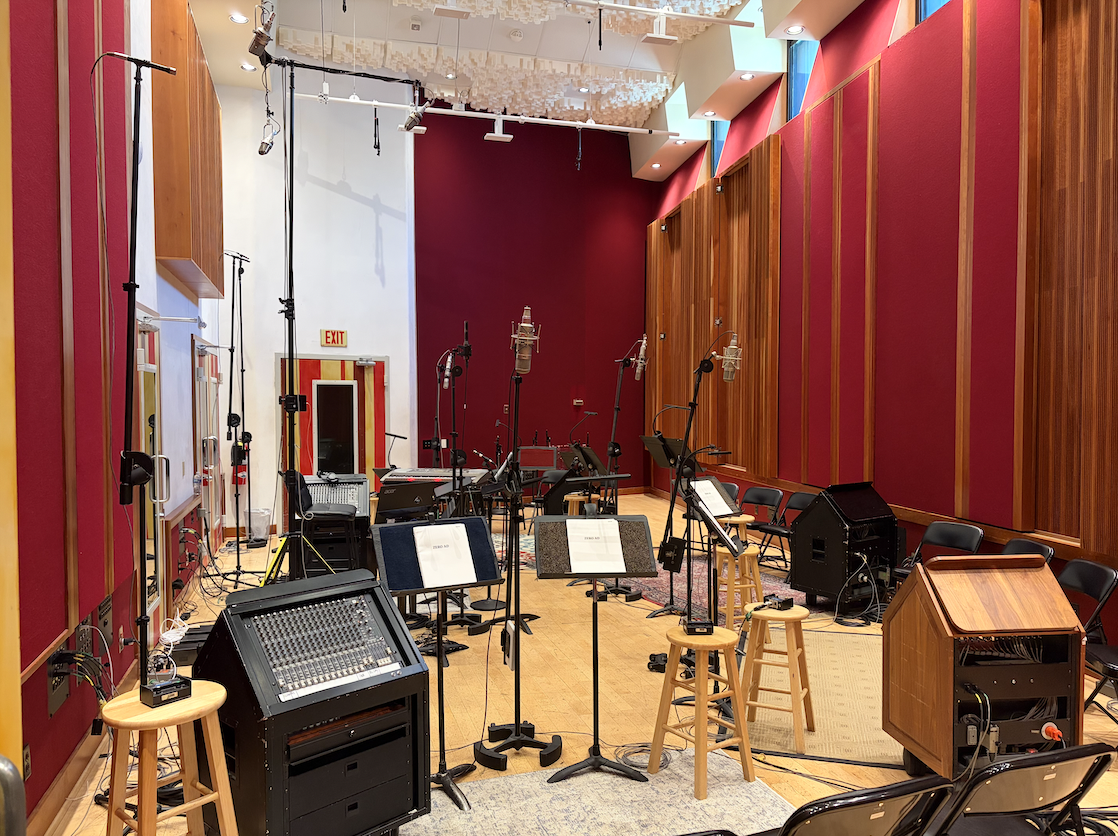
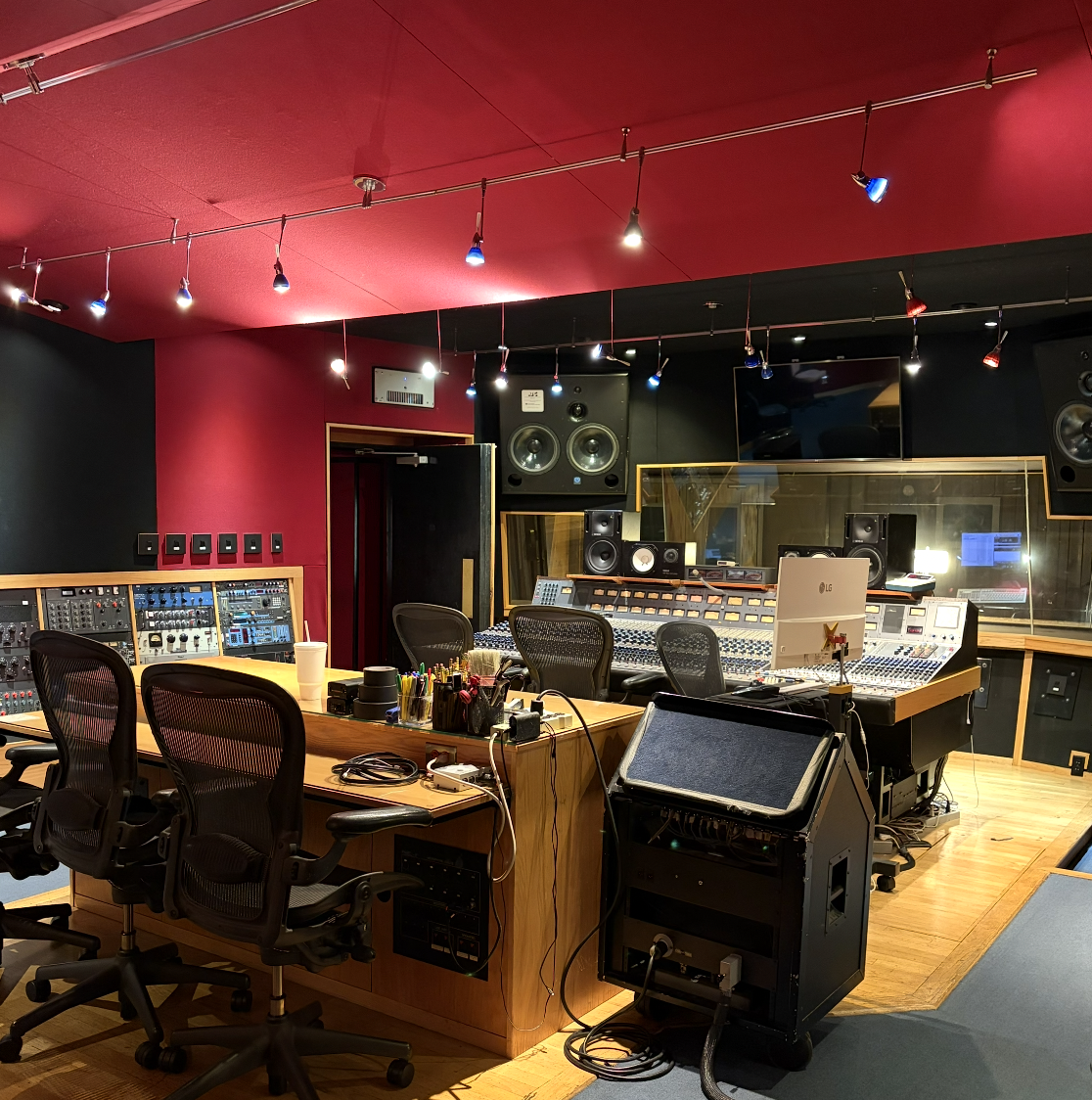
Recording studios come in all shapes and sizes, from large scale tracking spaces with major label artists such as Blackbird to small one-room studios focused on vocals and mixing. These differences lead to to very different internship experiences, each with their unique pros and cons. Working in a large, big-budget studio that hosts already famous musicians will typically allow you to get experience with lots of incredible gear, and meet a wide variety of different musicians, engineers, producers, and more. There will also likely be a large team of interns working with you, which can be great for making lateral connections with peers, finding new friends, and overall just having a fun time on your shifts. However, the constant rotation of a large number of interns can make it harder to stand out, and the high-end clients and gear means you will likely be taking a much more observational role, having to spend significant time proving yourself before being invited to sit in on a session or speak directly with more experienced engineers. In a smaller studio, there will be more independent local clients, the collection of gear may be more reserved, and there may only be a few or less engineers and interns on staff. However, the smaller team and client list can sometimes make it easier to make a great impression and get hands-on observing sessions, meeting people, and assisting much faster.
It is also worthwhile to research different recording studio’s internship programs before deciding where to submit applications. I was lucky to have two great internship experiences at both Blackbird Studio and here at VRC, getting lots of hands-on experience, seeing professional sessions first-hand, and meeting incredible engineers and musicians. However, this is not the case for all studio internship programs. Unfortunately, there are always some “bad-egg” studios out there that treat their internships as little more than an unpaid janitor gig, and offer almost zero opportunities to learn and build connections related to the actual music. Take the time to properly research the internship programs available to you to help ensure the studio you are applying to is worth the investment of your time and effort.
Your Application
When it comes time to submit applications, don’t worry if you lack technical experience. Studios are looking for someone with the right attitude who can be trusted in their spaces and around their clientele. Technical skills can be taught later - that’s exactly what you’re there to learn! Tailor your cover letter and resume to show that you are reliable, trustworthy, and have a solid understanding of your role. Include DAW proficiency, setup experience, and audio engineering skills if you have them, but these shouldn’t be the highlight of your application.
Remember when writing your applications:
Always address your cover letter to a specific person if possible. Look on the studio’s website for the name of a manager, administrator, head engineer, or intern coordinator who will be the most likely person reviewing your application.
Highlight previous work experience, even if it's not audio or music related. Working in a recording studio is a service industry, and there are plenty of skills that carry over from part-time jobs as a server or cashier.
Don’t send out a blanket cover letter and resume. Instead, shape your applications differently for each individual studio. Show that you’ve done your homework and have researched their business before applying.
If all goes well, you just might land an interview! This is the time to expand upon all the skills outlined in your resume. Showcase your abilities, but be honest. Studios don’t expect you to come in with a wealth of knowledge, and veteran engineers can call your bluff a mile away. If you can show that you have a good attitude and are willing to put in the work and learn, studio staff will be happy to bring you on and teach you. Ask smart questions to get a better understanding of the role, such as what a typical day looks like and what responsibilities exist for interns. Studios like when interns have a solid understanding of their place before their first day of training, setting you up for success.
Remember in your interview:
Research the studio in detail ahead of time and be prepared to answer questions. One of the standard questions for any music industry job interview is, “What’s your favorite artist from our client list?” If you can’t name one, they will immediately know you’re not serious.
Show up on time. Being late is an instant disqualifier and says you don’t take this seriously and don’t respect the staff’s time.
Dress clean and simple. Avoid loud graphics, sweatpants, or shorts, but there’s also no need to wear a dress shirt and tie. In my experience, the basic studio outfit is plain pants or jeans and a black t-shirt.
Prepare for Your First Day
Congratulations! You’ve got the gig. Now it’s time to make a great first impression. What can you do to prepare?
Before all else, prepare your attitude and ettiquette. The right attitude is by far the most important thing for having a successful internship. The best interns are teachable, listening much more than they talk and absorbing skills passively. You also just need to be a good hang in the studio. It doesn’t matter how impressive your audio engineering background is - If you aren’t a fun person to spend long hours in a difficult session with, you will never get hired.
Brush up on basic audio skills. This isn’t required depending on the internship program, but those who have a working knowledge of the technical side of the studio tend to have a leg up and get more out of the experience. Get familiar with the core functions of a digital audio workstation (DAW). Pro Tools is the standard, but knowing how to open a session in any professional DAW, create tracks, and make simple edits shows you’re prepared. Understand how signal moves from the microphones all the way to the speakers. Know the differences between mic level and line level and balanced vs unbalanced connectors. You don’t need to know every piece of gear, but having a strong grasp the basics in advance will help you learn faster.
Most importantly, leave your ego at home. You are there to learn from the experienced professionals already doing the work, and next to them you know virtually nothing no matter what experience you may have already. Stay quiet and absorb all you can. Never offer unsolicited opinions on gear choice, musical decisions, or anything else project related. If someone makes a choice you disagree with, carry it out without complaint. You just might learn your favorite new technique to try later! Additionally, don't try to meet famous people. As an intern, you are expected to act as a professional, and fawning over your favorite artist who comes in is totally unacceptable. Absolutely no asking for autographs, questions about all their songs, and definitely no pitching your own music. As a rule, never speak with the clients unless they speak with you first.
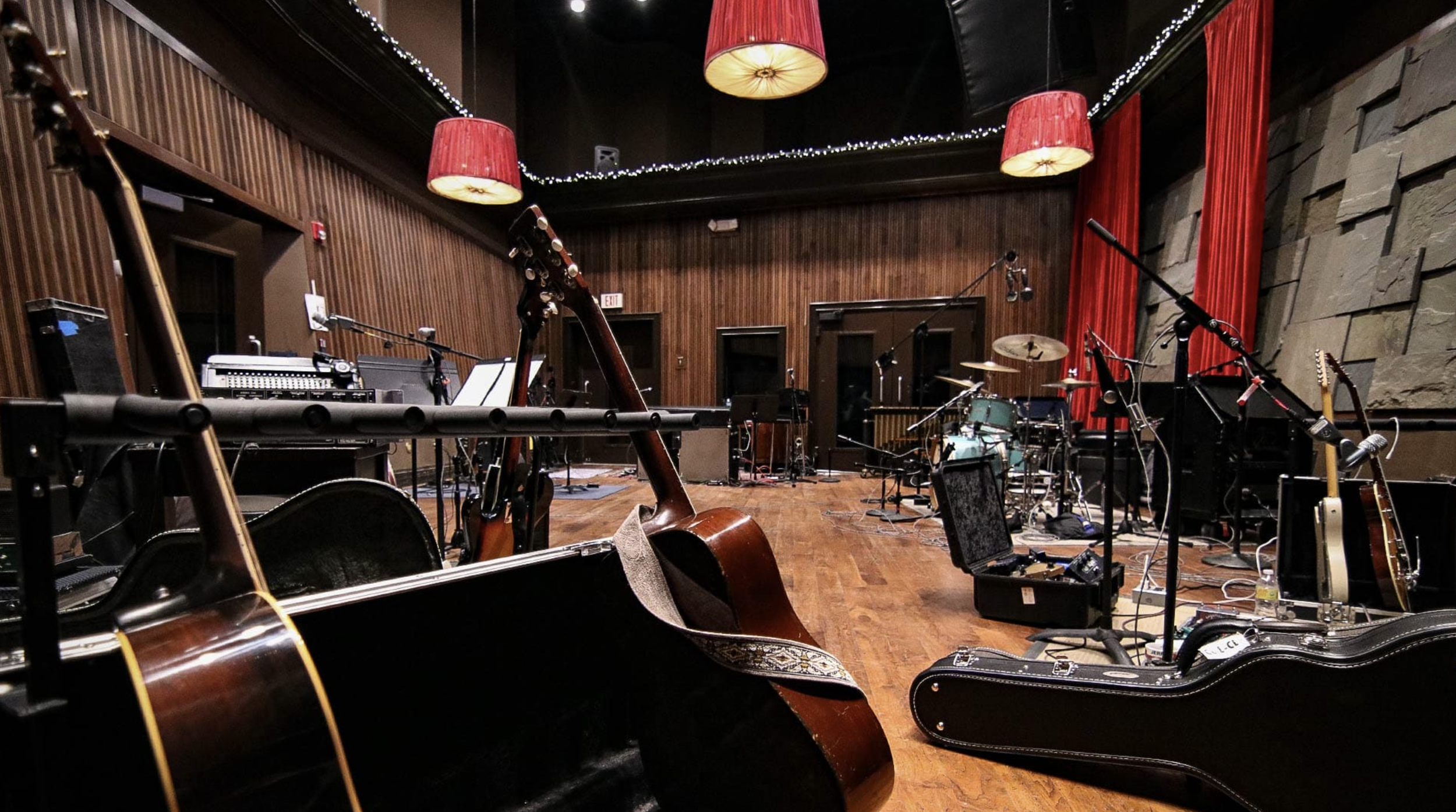
Making a Lasting Impression
Now you’re in the door - What can you do to stand out?
Reliability is key. Be consistently present for all your shifts, and always be on time. Aim to arrive about five to ten minutes early for your shifts. Being late is an obvious red flag, but there’s also no need to get there thirty minutes early and disrupt staff who may not be ready for you yet. Callouts and switches should be rare and reserved for serious situations. Try to spend as much time at the studio as you possibly can. If you truly love audio and being a part of the studio, this should be easy.
Do the little things right. Menial tasks like lunch runs, making coffee, and cleaning up may seem trivial, but they are a fundamental part of keeping the studio running in top shape. They are also a test of your commitment - if you can’t even be trusted to make coffee correctly, how can you be trusted to handle expensive equipment or assist with a session for a famous artist?
Learn the gear and processes quickly. No one wants to have to remind you which mic is the D112 in the middle of a late setup. If you know the gear by heart, you can work that much more independently. Take the time to read labels and remember what’s what. Ideally you should never have to ask a question about something more than once. Once you’ve spent enough time there to know what needs to be done, don’t wait for instruction every day. If you see the cables that need to be wrapped, the mics that need to be set up, or the room that needs to be reset, take care of it without being asked. You managers will take notice, and remember who handles it and who doesn’t.
Move with purpose. Studio time is expensive, and session setups, teardowns, and cleaning often require long hours and late nights. Take your time to do things the right way, but don’t dawdle. Everyone wants to get the work done so we can all stay focused on the music and get to go home. Throughout the process, keep things neat. Professional studios pride themselves on their outward facing reputation, so keeping the space looking great is essential. Clients notice when the place is dirty, the cables are messy, and the gear is in imperfect condition. Take the time to make the studio look like a place that they want to book again and again.
Be invisible. Studio managers often tell their interns they are to speak only when spoken to. That sounds very dystopian and harsh, but it truly isn’t meant to be. The producers, engineers, and artists working there are all on tight schedules and time is money. Your job is to quietly take care of the background tasks so they can focus on the music. If someone introduces themselves to you or chooses to start a conversation, feel free to engage with them, but never make the first move yourself.
Always try to anticipate the next move. If you hear the guitar play mention they forgot a stand, get one set up before they even realize it wasn’t there. If you know the engineer usually likes their drum baffles set a certain way, have them ready before they arrive. You will learn to predict the future instead of waiting for it to become a problem.
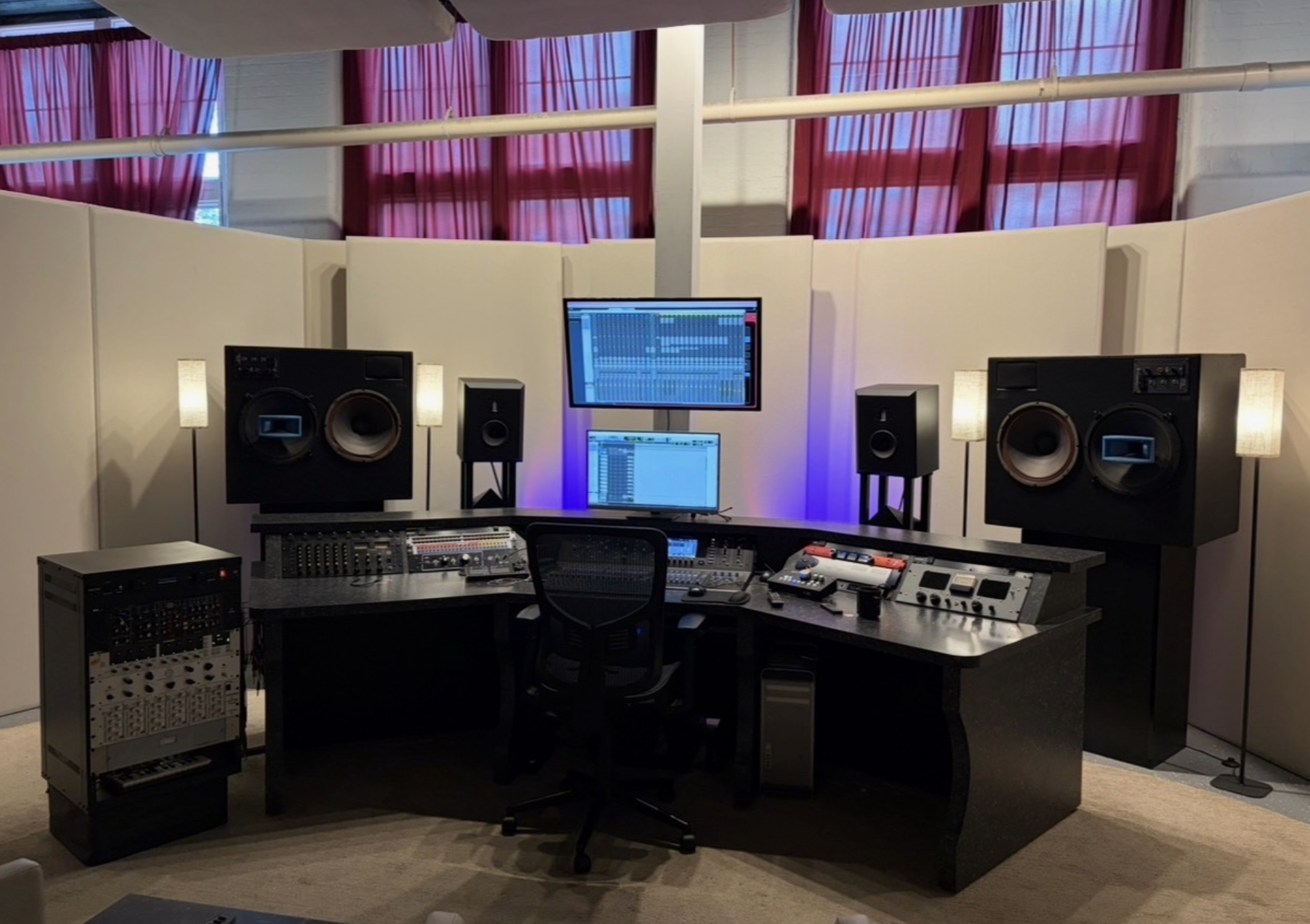
Studio internships are challenging. There’s a lot to remember, and it will require many long hours and late nights doing all the work that no one else wants to do. Always remember that everyone you are looking up to was once in your shoes, and no one will ever ask anything of you that they haven’t done themselves and wouldn’t do again.
Done well, a studio internship can be a truly transformative experience in your career in audio. You will learn from the best first-hand, participating in real sessions with real artists and real pressures. You will make incredible connections and new friends, and have plenty of fun in the studio along the way. If you work hard, keep the right attitude, and absorb the skills put before you, you will be well set up for starting a successful career as an audio engineer.